
Vegetable Exporters from India: Powering Global Markets with Agriport Life
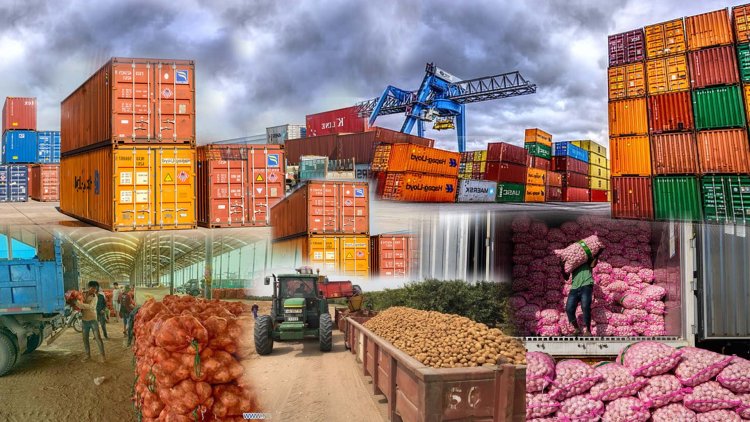
India has quietly become one of the world’s most important sources of fresh vegetables. With its diverse agro-climatic zones, year-round growing cycles, and a rapidly modernizing supply chain, the country is now a preferred sourcing destination for importers across the Middle East, Europe, Southeast Asia, and beyond. At the center of this growth story are dedicated export businesses like Agriport TM, working to connect Indian farms to international kitchens.
Why India Is a Global Vegetable Export Powerhouse
India’s geography is its biggest advantage. From the fertile plains of Punjab and Uttar Pradesh to the tropical belts of Tamil Nadu and Karnataka, the country grows an extraordinary range of vegetables almost every month of the year. This diversity means Indian exporters can offer:
- Onions — India remains one of the largest onion exporters globally, primarily from Maharashtra.
- Green chilies — staples for Gulf and Southeast Asian markets
- Tomatoes — increasingly exported through cold-chain logistics
- Drumstick – could be a great addition to Agriport Life’s export vegetable lineup.
Lower production costs, abundant labor, and improving farm-to-port infrastructure allow Indian exporters to remain price-competitive while meeting rising global demand for fresh produce.
The Role of a Modern Export Business Like Agriport Life
Exporting vegetables isn’t just about growing good produce — it’s about managing an entire chain of trust, timing, and compliance. This is where a business like Agriport Life adds real value:
1. Sourcing and Quality Control Working directly with farmer networks and mandis (wholesale markets) ensures produce is fresh, correctly graded, and free from pesticide residues that could violate importing countries’ regulations.
2. Packaging and Cold Chain Management Vegetables are highly perishable. Proper pre-cooling, ventilated crates, and temperature-controlled containers are essential to preserve shelf life during long sea or air journeys.
3. Documentation and Compliance International trade in fresh produce requires phytosanitary certificates, APEDA registration, country-specific import permits, and adherence to Maximum Residue Limits (MRLs). A reliable export partner handles this paperwork so buyers face no customs delays.
4. Logistics and Timely Delivery Coordinating between farm harvest schedules, packhouse processing, and vessel or flight departures is a logistical puzzle. Missing a shipping window can mean spoiled inventory, so timing is everything.
Key Markets for Indian Vegetable Exports
- Middle East (UAE, Saudi Arabia, Qatar) — strong demand for onions, potatoes, and green vegetables due to limited local farming
- Europe — growing interest in specialty and organic vegetables
- Southeast Asia — steady demand for a wide vegetable basket
Challenges Facing Indian Vegetable Exporters
Despite strong potential, exporters face real hurdles:
- Price volatility in domestic markets affecting export margins
- Inconsistent cold storage infrastructure in rural areas
- Strict and evolving MRL standards in importing countries
- Currency fluctuations affecting contract pricing
Businesses that invest in quality assurance, farmer relationships, and efficient logistics — the way Agriport Life aims to — are best positioned to navigate these challenges and build long-term buyer trust.
The Road Ahead
As global demand for fresh, affordable, and diverse vegetables grows, India’s export sector is set to expand further. Investments in cold-chain infrastructure, government support through schemes like APEDA incentives, and rising farmer awareness of export-grade cultivation are all pushing the industry forward.
For businesses like Agriport Life, the opportunity lies in becoming a dependable bridge — one that guarantees freshness, transparency, and consistency from Indian soil to international tables.